Is It Harassment or Just Bad Behavior in the Workplace?

Distinguishing between workplace harassment and bad behavior can be confusing, even for experienced managers and HR professionals. Yet, knowing the difference is essential for protecting employees, staying compliant with laws, and promoting a healthy workplace culture.
Key takeaways:
- Not all bad behavior equals harassment, but both must be addressed.
- Workplace harassment has a specific legal definition.
- Tools like a workplace harassment decision tree and a question template can help you evaluate behavior objectively.
What qualifies as workplace harassment?
Workplace harassment occurs when unwelcome conduct—verbal, physical, or visual—targets someone based on a protected characteristic such as race, gender, age, religion, disability, or sexual orientation. Under US federal law, harassment becomes unlawful when:
- enduring the conduct becomes a condition of employment, or
- the conduct creates a work environment that a reasonable person would consider intimidating, hostile, or abusive.
This can include repeated jokes about someone’s ethnicity, unwanted sexual advances, or persistent belittling related to someone’s age. The key factor is that the behavior is tied to a protected category and creates a hostile work environment.
Types of workplace harassment
Harassment can take many forms. But understanding the categories can help you quickly identify if the behavior crosses the line.
- Verbal harassment: Offensive jokes, slurs, name-calling, or threats
- Physical harassment: Unwanted touching, blocking someone’s path, or aggressive gestures
- Visual harassment: Displaying offensive images, cartoons, or emails
- Sexual harassment: Unwanted advances, requests for favors, or inappropriate comments about appearance
- Third-party harassment: When harassment comes from clients, vendors, or contractors rather than employees
Recognizing these patterns ensures you don’t dismiss serious issues as mere personality conflicts.
When it’s not harassment, but still a problem
Not every instance of bad behavior meets the legal definition of harassment. For instance, these bad behaviors aren’t harassment:
- A team member who frequently interrupts colleagues during meetings
- A manager who gives harsh but non-discriminatory feedback
- An employee who’s consistently rude or dismissive
Although these behaviors may not be illegal harassment, they still harm the workplace culture and must be addressed. Left unchecked, such behavior can escalate into more serious issues, lower morale, and increased turnover.
Managers should treat these situations seriously and intervene early with constructive feedback, coaching, or mediation.
Positive Leader helps managers address these behaviors early—before they escalate—through practical emotional intelligence training and leadership development. Our programs equip employees and managers with the skills to communicate more effectively, regulate emotions, and build respectful working relationships. The result is a healthier culture and stronger performance.
Contact us today to learn how we can help your organization build a thriving workplace culture.
Using a decision tree to evaluate behavior
When faced with questionable behavior, managers often struggle with whether to escalate it to HR or handle it themselves. That’s where a workplace harassment decision tree can help.
A decision tree is a simple, visual flowchart that asks “yes/no” questions to help you evaluate if a situation qualifies as harassment. Here’s an example with the questions of such a tree:
- Question #1: Is the behavior tied to a protected characteristic?
- Question #2: Is it severe or pervasive enough to create a hostile environment?
- Question #3: Does it interfere with someone’s ability to work?
If you answer “yes” to any of these questions, you may be dealing with harassment and should involve HR immediately. If “no,” it’s still worth addressing as poor conduct, but it may not be a legal matter.
Workplace harassment question template
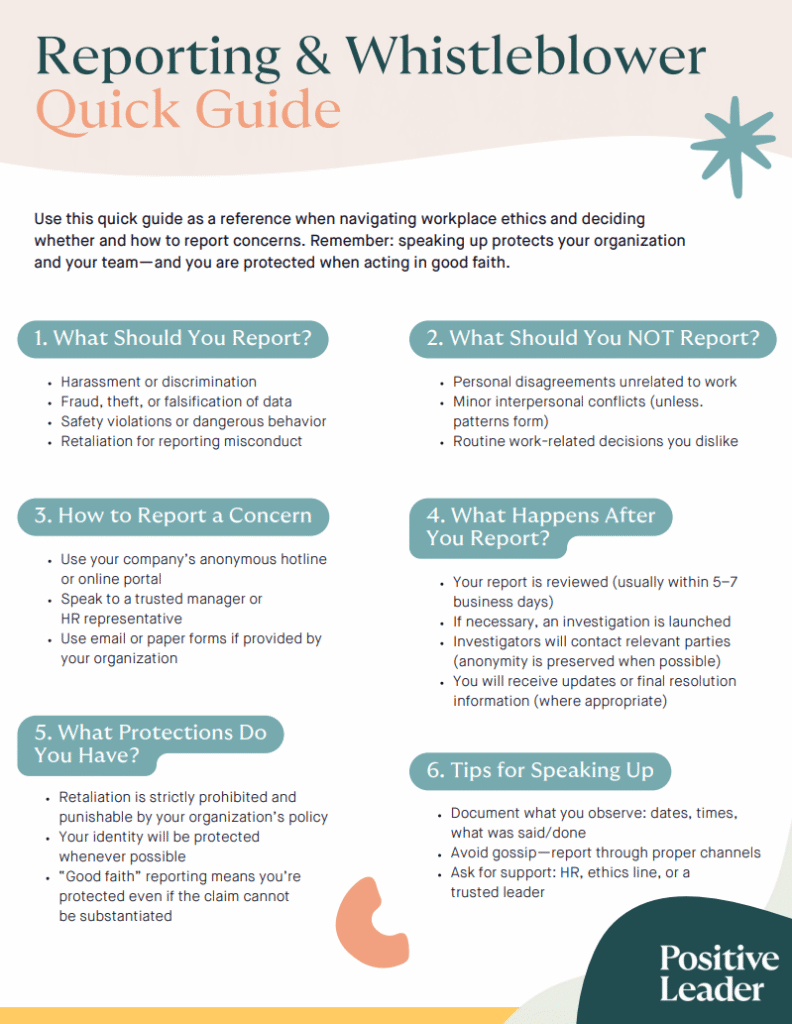
Alongside a decision tree, a question template can help you gather the right information when someone reports an incident. Key questions include:
- What exactly happened, and when?
- Who was involved with or witnessed the behavior?
- How did the behavior impact your ability to work?
- Have there been previous incidents?
Asking these questions guarantees you collect objective details instead of subjective impressions or emotions. This also helps HR or legal teams document cases properly.
Download the Free Workplace Harassment Decision Tree + Question Template. Take the guesswork out of tough situations. Get the tools to lead with clarity and care.
Why this matters
Workplace harassment is a legal and ethical issue—but so is unchecked bad behavior.
Managers who ignore them risk lawsuits, reputational damage, and toxic cultures. By using structured tools like a decision tree and a question template, you can:
- Respond consistently and fairly
- Reduce personal bias in decision-making
- Protect your employees and your organization
Ultimately, the goal isn’t just to comply with the law but to create a safe, respectful environment where employees can thrive.